Laparoscopic Colon Resection
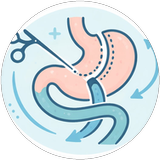
Minimally invasive removal of a segment of the large bowel via small incisions. Indicated for colorectal cancer, diverticulitis, volvulus, and other colon conditions requiring resection. Laparoscopic techniques are associated with reduced post-operative pain, shorter hospital stay, and faster recovery compared to open surgery.
Colorectal Cancer Surgery
Oncologic resection of colon and rectal cancers, performed laparoscopically where appropriate. Surgery is coordinated with the AHS colorectal multidisciplinary team, including medical oncology and radiation oncology. Staging investigations are reviewed prior to surgery to ensure optimal oncologic and functional outcomes.
Inflammatory Bowel Disease (IBD) Surgery
Surgical management of Crohn's disease and ulcerative colitis when medical therapy is insufficient or complications arise. Procedures include ileocolic resection, stricturoplasty, colectomy, and formation or reversal of ileostomy. IBD surgery decisions are made in conjunction with gastroenterology.
Diverticulitis Surgery
Elective or urgent resection of the sigmoid colon for recurrent or complicated diverticulitis. Laparoscopic sigmoid colectomy is the preferred approach for elective cases. Emergency surgery may be required for perforated diverticulitis with peritonitis. A temporary colostomy may be formed depending on operative findings.
Stoma Formation & Reversal
Creation of a colostomy or ileostomy as a protective or permanent measure, and subsequent reversal (take-down) when appropriate. Stoma nursing support and education are provided pre- and post-operatively through the AHS enterostomal therapy service.
Hemorrhoidectomy & Hemorrhoid Procedures Anorectal
Hemorrhoids are enlarged vascular cushions of the anal canal, classified as internal (grades I–IV) or external. Grade I–II internal hemorrhoids are typically managed with dietary modification and office-based rubber band ligation. Surgical hemorrhoidectomy (excisional, Ferguson technique) is recommended for Grade III–IV hemorrhoids, symptomatic external hemorrhoids, or those failing conservative management. Stapled hemorrhoidopexy is an alternative for circumferential prolapsing hemorrhoids. Recovery is 2–4 weeks.
Anal Fissure — Lateral Internal Sphincterotomy
An anal fissure is a linear tear in the lining of the anal canal, most often at the posterior midline. Acute fissures (<6 weeks) are managed with topical therapies (nitrates, calcium channel blockers) and stool softeners. Chronic fissures are characterised by a sentinel skin tag, hypertrophied anal papilla, and elevated resting anal tone. The ASCRS-recommended surgical treatment for refractory chronic fissure is lateral internal sphincterotomy (LIS) — division of a portion of the internal anal sphincter to reduce resting tone and promote healing. Performed as day surgery.
Anorectal Abscess & Fistula-in-Ano
Anorectal abscesses arise from infection of anal glands (cryptoglandular origin). They are classified by anatomic space: perianal (most common), ischiorectal, intersphincteric, and supralevator. Treatment is always surgical — incision and drainage at the time of presentation, even without fluctuance. Approximately 40–50% of patients develop a subsequent fistula-in-ano (an abnormal tract between the anal canal and perianal skin). Fistulas are classified by the sphincter muscles they traverse (intersphincteric, transsphincteric, suprasphincteric, extrasphincteric). Treatment depends on complexity: simple low fistulas are managed with fistulotomy; high or complex fistulas require sphincter-preserving techniques including seton placement, the LIFT procedure, or mucosal advancement flap. Crohn's-related fistulas are managed in conjunction with gastroenterology.
Rectal Prolapse Repair
Rectal prolapse is the full-thickness protrusion of the rectum through the anus. It affects predominantly women and is frequently associated with pelvic floor dysfunction and fecal incontinence. Surgical approach is tailored to patient fitness and anatomy: abdominal rectopexy (laparoscopic, ± sigmoid resection) is preferred in fit patients for its lower recurrence rate; perineal approaches (Delorme, Altemeier) are reserved for frail or elderly patients. Constipation and incontinence are addressed concurrently where possible.
Fecal Incontinence
Fecal incontinence — the involuntary loss of stool or gas — is underreported and has a significant impact on quality of life. Initial management is non-surgical (dietary modification, pelvic floor physiotherapy, biofeedback). Surgical options include overlapping sphincteroplasty for traumatic sphincter defects (e.g., obstetric injury) and sacral nerve stimulation (SNS), which is increasingly used for neurogenic or mixed-cause incontinence. Assessment includes anorectal manometry and endoanal ultrasound to characterise sphincter anatomy.
Anal Warts (Condyloma Acuminata)
Condyloma acuminata are caused by Human Papillomavirus (HPV), most commonly strains 6 and 11. Perianal and intra-anal warts require surgical management when extensive, intraanal, or refractory to topical therapy. Treatment options include excision under anaesthetic, electrocautery fulguration, and laser ablation. Recurrence is common and follow-up is essential. High-grade anal intraepithelial neoplasia (AIN) is managed with close surveillance and excision.